Farmer pioneers nuisance weed as high-profit herbal crop
3 min read
By Felix Ochieng Akech
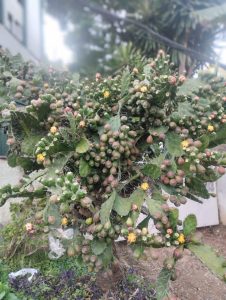
Farmer James Okoth has turned a nuisance weed, cocklebur, into a profitable herbal crop, earning up to Sh250 a kilo for dried burs from Nairobi buyers.
“People call it a weed, but the herbal market is huge,” said James, who farms two acres, outside Awendo in Migori.
He first began growing cocklebur for sale after a Kisumu herbalist told him that Xanthium strumarium, the scientific name for the plant, is used globally in herbal pharmacies. The herbalist initially bought small quantities from him, and further online research revealed its Chinese medicinal name, Cang Er Zi, as a common ingredient in sinus remedies.
“When I saw it was listed on Chinese medical websites, I knew this was not just a bush. It was a serious medicinal plant,” he said.
“Now I have a Chinese buyer in Nairobi who buys the dried burs at Sh180 to Sh250 per kilo depending on moisture.”
He now grows cocklebur as a deliberate crop and sells out every harvest after drying the burs until they are hard and packing them in 50kg bags for transport.
“My main buyer is the herbal shop that pays per kilo,” he said. “Sometimes pharmaceutical processors buy whole plants for extraction. But my buyer only wants it very, very dry. If it has moisture, they deduct almost half the price.”
He has almost no costs farming the crop, which needs no fertiliser, pesticides or special management. “It’s the easiest crop I’ve ever grown. It germinates even in poor soil. I only weed twice. Within three to four months the burs are ready,” he said. “You cannot fight pests and losses forever. Cocklebur gave me peace.”
From one acre, he produces 350kg to 450kg of dried burs depending on the rain, selling 420kg at Sh200 per kilo last season, earning Sh84,000. “It is the first crop where my profit is almost the same as my revenue,” he said. “Nothing else has given me that.”
The crop still presents challenges. “Goats love the young leaves, but the green seedlings can poison them,” he said, meaning that he has had to fence his farm to keep animals out. Harvesting is also slow because the burs cling to clothing and gloves. “The plant is easy, but those burs can frustrate you. You need gloves.”
READ ALSO:
Fish bean herb drives away mole rats slaying crops, and fertilises too
Herbal doctor invents machine that extracts juice to protect crops from diseases
Farmer doubles income by growing chipilin weed as crop
Once harvested, the crop is not poisonous. “The young seedlings are poisonous to animals, that’s true. But once mature and dried, herbal processors extract only the safe parts. My buyers are licensed. They test before buying.”
James’s neighbours initially laughed at him farming a weed, but are getting more interested now. “People imagine herbal crops are complicated. But what farmers need is honest information about buyers, drying methods, and how to avoid livestock poisoning. Counties should help create markets for herbal crops. There is money here.”
For James, cocklebur has become his most reliable income source. “It looks like a useless weed,” he said. “But herbal buyers don’t joke, they pay better than vegetables.”
Are you a farmer looking to grow the most profitable crop on your farm, with or without irrigation. Use FarmBizAfrica’s HarvestMAX on https://harvestmax.farmbizapps.com and it will tell you in less than a minute what the highest income-earning crops are for your weather, soil type and this season, based on your seasonal weather forecast. Don’t make weather losses ever again, and more than triple your income.