Lantana hedges slash mosquitoes in homes
2 min read
By MaryAnne Musilo
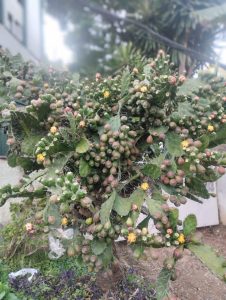
Kwale farmer Isaac Lihanda hedged his home with the lantana he grew up with in Nandi, only to later discover the plant had medicinal properties, which scientists say include cutting malaria mosquitoes in the home by 80 per cent.
“I remember my father planting Lantana as a fence around our home in Nandi,” said Isaac. “It had a thick, bushy nature which was excellent as a barrier.”
“My father was a medicine man and he is the one who planted it. Basically, I didn’t understand the use of Lantana back then, but in February I went to India to learn about medicinal herbs and I’m now getting the importance of the plant,” he said.
In Dindigul, South India, Isaac learnt that Lantana can be a curative..
“From my study right now, I’ve come to know that Lantana camara is a medicinal herb. Its leaves can be used to treat skin disorders, itchiness, coughs, colds and pain,” he said. “You boil the leaves for about 15 minutes, then sieve and take a glass. This works very well for coughs.”
Extracts of the flowers mixed with coconut oil can also repel more than 90 per cent of mosquitoes for two hours, with protection lasting up to four hours.
The bush has also been found to greatly reduce the mosquitoes inside homes. Researchers in Tanzania found homes surrounded by Lantana hedges had 50 per cent fewer mosquitoes indoors, and the main malaria-carrying species were reduced by more than 80 per cent.
The shrub is hardy and easy to grow, said Isaac.
Related News:
Farmer pioneers hibiscus as Sh4m-an-acre crop
Consumers chase healthier replacement for sugar vaulting stevia market above all other herbs
Kirinyaga potato farmer finds success treating potato blight with local herbs
“It germinates within six to eight weeks from seeds or cuttings under the right conditions of warmth, consistent moisture, and well-drained soil. Upcountry, one can easily get the stems from bushes. Planting Lantana is as easy as planting cassava.”
But he warns the plant has dangers. Lantana camara spreads quickly, choking other vegetation, and is poisonous to cattle and goats.
“It is toxic to livestock,” he said.
Scientists say the leaves contain lantadenes. When eaten, these compounds can cause liver damage, sensitivity to sunlight, and death in severe cases, particularly in cattle and goats.
Are you a farmer looking to grow the most profitable crop on your farm, with or without irrigation. Use FarmBizAfrica’s HarvestMAX on https://harvestmax.farmbizapps.com and it will tell you in less than a minute what the highest income-earning crops are for your weather, soil type and this season, based on your seasonal weather forecast. Don’t make weather losses ever again, and more than triple your income.