Middle East war delivers new blows to Kenyan exporters
3 min read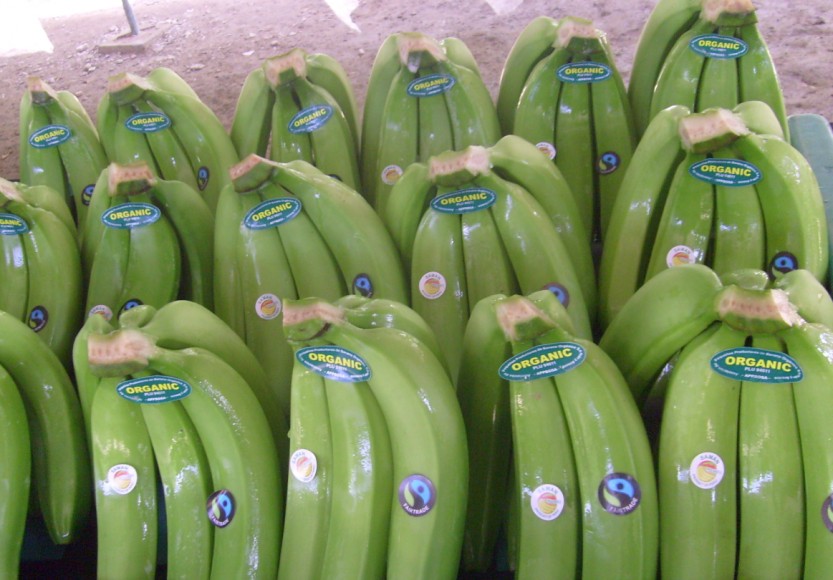
Previously, banana, citrus and avocado from Africa were banned by several importing countries due to the presence of an invasive Asian fruit fly known as Bactrocera invadens. Photo/fruitnet
By Antynet Ford
Farmers supplying agricultural exporters are set to be hit by renewed conflict in the Middle East, with the Houthis of Yemen announcing this weekend that they are relaunching attacks on Red Sea shipping in response to military strikes by the US, Israel and Iran.
The Red Sea is the critical access route to the Suez Canal, which allows fresh produce to reach North Africa and Europe in a matter of days. It had reopened to mainstream shipping late last year, after nearly two years of attacks on cargo shipping that had forced shipping companies to reroute around South Africa.
Agronomists and trade experts this weekend warned that renewed disruptions to shipping lanes, alongside higher energy costs, and insurance premiums could affect agricultural export chains far beyond the region.
Kenya Airways (KQ) was among a host of national airlines, including Etihad, Qatar and Turkish Airline, that has temporarily suspended flights to Dubai, Sharjah, Bahrain, Iraq, Iran, Qatar, and the UAE while missiles and strokes are underway.
This has now affected air routes for export as well as shipping routes, with the UAE acting as a key transit and re-export hub.
The country also faces losses from direct trading into the conflict-torn region.
Kenya exported over 50,000 metric tonnes of tea to the Middle East in 2023, valued at over Sh12bn, with the UAE, Saudi Arabia, and Iran being amongst its key destinations.
For avocados, mangoes, bananas, and French beans, more than 90,000 metric tonnes were exported globally, with the UAE and Saudi Arabia being top importers, accounting for over Sh1.5bn of Kenya’s sales
While Europe remains the largest market, Qatar, the UAE, and Saudi Arabia have also been emerging as top buyers of roses and mixed bouquets, especially for events such as Ramadan and Eid.
The conflict is, thus, affecting both the Middle Eastern markets, and access to Kenya’s traditionally largest market of Europe.
Diverting cargo away from Red Sea routes adds 10–20 days or more to transit times for exports headed to Europe and the United States.
For smallholder and medium-scale producers dependent on efficient movement of produce like horticultural crops, coffee, and tea any delay or cost increase can reduce profit margins and even make some export markets less viable.
RELATED NEWS:
Shipping queues savage mango season for exporters
Exporters gain hope as direct shipping to Europe resumes
Avocado exporter adapts pest control for EU exports
With the war already pushing up energy prices, shipping costs and farm input costs, especially of fertilisers, are also now set to rise further.
Higher logistical risk also tends to raise war-risk insurance premiums, which directly increase the cost of exporting produce overseas. Exporters may pass these costs back down to producers, further stretching already thin margins for farmers whose goods compete in global markets.
Despite the uncertainty, there are strategies farmers and agribusinesses can adopt to reduce the impact of global conflicts on their export prospects:
Some are already positioning to increase their exports to China and Asia, with regional diversification offering some protection, while many are now working intensively with buyers and export agents to understand alternate shipping routes and timelines.
For many, however, this new round of blows to international trading is focusing renewed attention on the scope for local value addition, in a bid to step back from global volatility and towards increased domestic sales.
Are you a farmer looking to grow the most profitable crop on your farm, with or without irrigation. Use FarmBizAfrica’s HarvestMAX on https://harvestmax.farmbizapps.com and it will tell you in less than a minute what the highest income-earning crops are for your weather, soil type and this season, based on your seasonal weather forecast. Don’t make weather losses ever again, and more than triple your income.