Homa Bay farmers making Sh3m per ½ year from fish farming cages
3 min read
By Dick Wagaluka
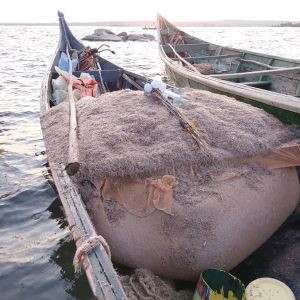
Fish farmers in Homa Bay County are earning Sh3m a year from each of over 1,500 fish cages in Lake Victoria, in an answer to the lake’s falling wild fish stocks, farming from fingerlings grown in commercial hatcheries.
Kenya’s fresh fish catch has halved since 2002 and fell a further 8 per cent from 2021 to 2022, but putting the fingerlings into the lake is now producing 3,000 to 5,000 tilapia per cage.
Scientists link the decline in wild fish sticks to fertilizer, sewage, and industrial pollution that create algal blooms, reducing oxygen in the water. Water hyacinth now blocks many bays, and illegal fishing and excessive nets have pushed nearly three-quarters of native fish species toward extinction, according to a 2018 regional assessment.
But caged fishing, cited in less polluted tracts of the lake is bringing greater control for fishers.
“The cages have brought order to the lake,” said fisherman Samuel Ndiege from Mfangano Island. “People are farming the water now, and it’s working.”

Th volume of fish farmers get depends on the size and shape of the cage,, said Letifa Yusuf, an extension officer at Youth for Sustainable Aquaculture. “A 6-metre cage holds around 10,000 fingerlings, a 10-metre one holds 15,000 to 20,000, and a 15-metre cage can take up to 35,000,” she said
To start the farming, farmers must get the permission of the local Beach Management Unit, then a fisheries licence. “The site must be at least 20 metres away from any landing site and in deep waters,” said Letifa.
Anchors hold the plastic cages steady.
The farmers use male tilapia fingerlings from certified hatcheries such as Great Lakes in Kisumu to stock the cages. “Males grow faster and resist disease better,” said Letifa.
The fingerlings mature through the egg, larvae, fry, juvenile, and fingerling stages in six to eight months, with the hatcheries collecting the eggs from females and using hormone-treated feeds to get all-male fry for the fingerlings.
Before transport, the fingerlings are starved to prevent ammonia buildup. On arrival, the bags of fongerlings are floated for 15 minutes to equalize temperatures, then perforated. Farmers observe the fish for 15 minutes, remove any floating dead ones, and starve them again for a day before feeding.
Feeding begins with starter mash for fingerlings up to 75g, then crumbles, then pellets.
“Pellets are most preferred at the onset to avoid shocks when introducing alternative feeds,” said Letifa.
Some farmers supplement with Azolla and Black Soldier Fly larvae mixed with maize and vegetable waste.
Feed costs remain high. A 25kg bag of pellets costs about Sh7,500, while crumbles cost between Sh9,000 and Sh10,000.
Related News:
Homa Bay fish farm helping cure Kenya’s Chinese fish dependence
New technology helps fish breeder deliver male fingerlings to farmers in 28 days
Nyeri farmers adopt cage fish farming from fellows living at the shores of Lake Victoria
Fingerlings sell for Sh5–8 eachand the cage installation ranges from Sh800,000 to Sh1.2 million, but a single harvest can bring in Sh3 million.
“Before, we just cast our nets and hoped,” said Samuel. “Now I know how many fish I have, what they’ll weigh, and what I’ll earn.”
Letifa noted that if cages are managed well, they can last up to ten years and be restocked each cycle.
Markets: hotels and restaurants buy fish of around 250g, while local markets prefer 100g to 150g.
Tilapia and catfish are the main species; with tilapia dominating due to market value and feed efficiency. A pilot project for Nile perch failed because it required live feed.

Are you a farmer looking to grow the most profitable crop on your farm, with or without irrigation. Use FarmBizAfrica’s HarvestMAX on https://harvestmax.farmbizapps.com and it will tell you in less than a minute what the highest income-earning crops are for your weather, soil type and this season, based on your seasonal weather forecast. Don’t make weather losses ever again, and more than triple your income.