
Research institute introduces three varieties of chicken peas suitable for short rain seasons
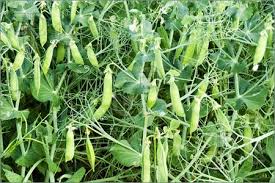
International Crops Research Institute for the Semi-Arid Tropics (ICRISAT) through a project dubbed Tropical Legumes II (TL II) has introduced three varieties of chicken peas for short rain seasons to replace maize and other legumes which need much water and are best for long rain seasons.
The varieties which are ICCV 00305, 00108, ICCV 97126 and ICCV 92944 are good for farming during the just started short rains from October to February and the farmers will then switch to maize and other legumes during the long cropping season in March and April.
Already areas like Koibatek, Bomet, Mbeere, Garaba, Mwea, Embuk, and Kerio valley have gone full throttle in growing the varieties.
“As cropping seasons determine what yields farmers will get due to the amount of rain, farmers are therefore advised to alternate maize cultivation with chicken pea and ensure bumper harvest throughout the year.” Paul Kimurto the lead Scientist for chickpea research in the Tropical Legumes I (TLI) project, Kenya
Related content:
Kenya secures Sh7.5B loan for subsidised fertilizer & seeds ahead of short rains
Weatherman: heavy rains expected during Nov-Dec short rains, farmers advised to take advantage
Farmers embrace chicken pea in short rains to boost yearly yields
Again due to their hardiness against drought, chickpeas have been steadily gaining popularity in Kenyan drylands – including the dry.
“Chickpeas have therefore increased food security and nutritional status of more than 27,000 households living in Baringo, Koibatek, Kerio Valley and Bomet Districts in Kenya, who frequently face hunger due to frequent crop failure of main staples such as maize and beans owing to climate change,” said Kimurto.
Through the project, various members of the Egerton research team have benefited from training in Europe, Africa and Asia on wide-ranging aspects of modern breeding, including data management. The learning resources that the team accesses through GCP are also shared widely and used as teaching materials and resources for faculty staff and postgraduate students not directly involved in the project.
“We have also benefitted from physical infrastructure such as a rain-shelter, irrigation system, laboratory equipment and a greenhouse. We didn’t have these, and probably couldn’t have had them, because all these are costly investments. This has greatly improved the efficiency of not only our research, but also our teaching,” says Kimurto.
Get your farming news by email.
Free. Market prices, crop news and farmer opportunities, straight to your inbox.
Set county, crops and alerts
Become a free member so weather and saved tools follow your farm profile